
As
part of researching my contemporary
novel, Sonora Symphony, I came across the following plants found in
the Sonora Desert that were used by healers. Later, when the Spanish
arrived and began to intermix in the southwest, curanderos
continued to use and expand the uses of the
plants.
Homeopathic
clinics have these available, to be perfectly honest, you can go to
just about any supermarket or small store catering to Mexicans or
other Latinos to find these available – most often pre-packaged.
Disclaimer:
I am not a dietician or an expert of any form or nature about the
preparation and use of these. I can only state that I have come to
believe they work as the result of being married to a Mexican for the
past 26 years. She regularly uses them and, when I pay attention and
do what she tells me – they work for me.
Here
is a link to a guide to Sonora Desert plants @
http://www.arizonensis.org/sonoran/fieldguide/plantae/sonoran_desert_flora.html
Alfalfa
good
for diabetes and lowers cholesterol, fresh leaves added to a salad.
American
Mistletoe
Indians
of Mendocino County drank a tea of the leaves to induce abortion or
to prevent conception. Also, seeds/pods crushed and ground into flour
for mush or cakes
Antelope
Sage
To
prevent conception, Navajo women drank one cup of a decoction of
boiled antelope sage root during menstruation.
Belcho
a
form helps breathe, eases cold symptoms, stops sneezing from
allergies, and assists those who wish to lose weight.

Broom
Snakeweed Navajo
women drank a tea of the whole plant to promote the expulsion of the
placenta.
They
chewed the stem and applied the resin to insect bites and stings of
all kinds.

Buckwheat
Hopi
women were given an infusion of the entire buckwheat plant to stop
bleeding

Buffalo
gourd
a
good vegetable to add to stew, the older becoming bitter. Seeds
ground to thicken soups while roots are good sweeteners in puddings –
with care. Also rids people and animals of tapeworms. Leaves, stems,
and roots as a laxative and a poultice for treating skin sores and
ulcers. Also removes stain from clothing. More @
http://medplant.nmsu.edu/buffalo.shtm
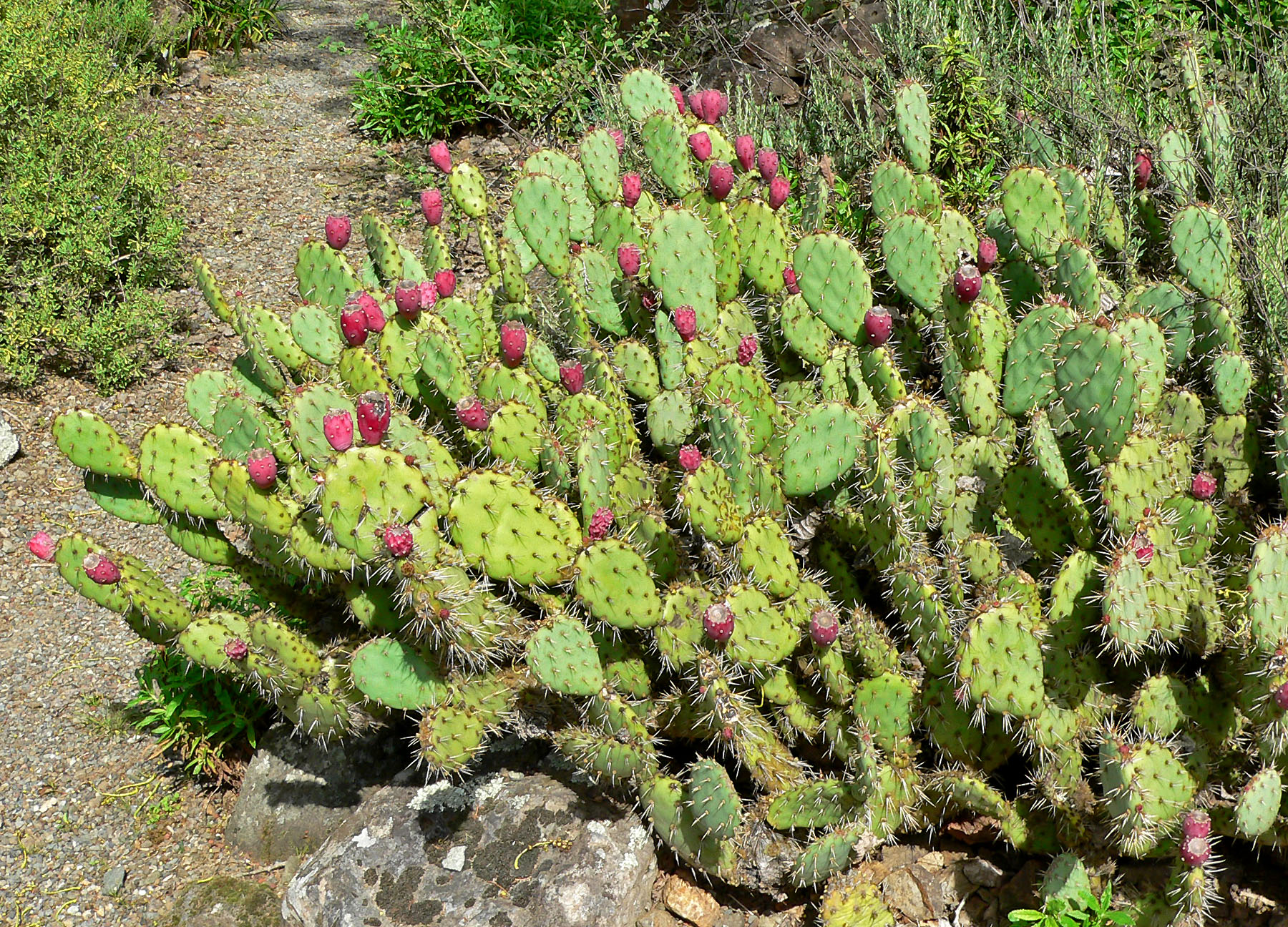


Cactus
fruits
Prickly
pear, saguaro, and organ pipe can be candied. Some tend to be a bit
on the bitter side.
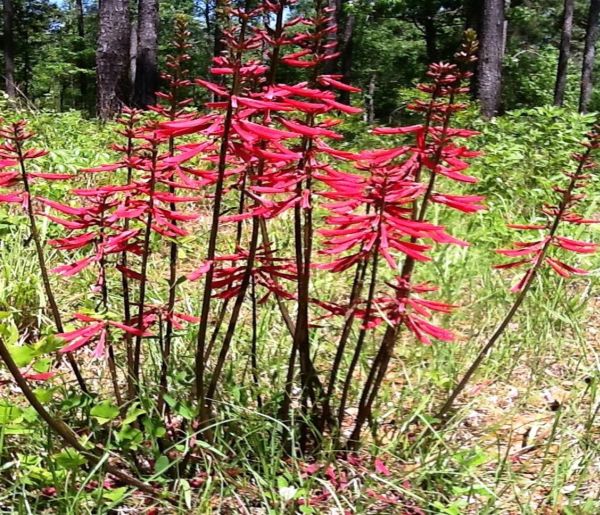
Coral
bean
very
poisonous but good in a poultice to ease pain of severe arthritis

Corn
silk
treat
bladder infections, ease kidney stones, and painful urination. Has a
diuretic for bed-wetting and obesity. Just pour water over the
tassels and let them sit five or ten minutes – add honey to remove
bitterness. More @
http://thetreatmentherbs.com/first-aid-herbs-for-urinary-infections/

Creosote
Bush
A
tea of the leaves was used for bronchial and other respiratory
problems. Bush
steeped
to make a poultice to ease severe arthritis pain. As
this bush keeps others at a distance, it makes a good fence around a
garden,.

Datura
– Sacred thorn apple – a very poisonous plant used in certain
rituals

Desert
yellow bush
for
dye and to eat

Fendler
Bladderpod
The Navajos made a tea and used it to treat spider bites
The Navajos made a tea and used it to treat spider bites
%20-%20Oakland%20Co.jpg)
Feverwort
The Cherokees drank a decoction of the coarse, leafy, perennial
herb to cure fevers

Indian
Paintbrush
Hopi women drank a tea of the whole Indian paintbrush to "Dry up the menstrual flow."
Hopi women drank a tea of the whole Indian paintbrush to "Dry up the menstrual flow."

Jimson
Weed/loco weed/ Tolache
hallucinogenic
which, if improperly used, can be fatal. However, used properly, can
treat asthma, intestinal cramps, diarrhea, an bed-wetting. (I'm sure everyone know not to let your horses or mules eat this - they go loco on it.)

Juniper
berries
help
cure urinary tract infections. Added to huckleberry (bérbero) lowers
blood sugar. May act as a contraceptive.

Manzanita
the
little apple berries can be dried and then ground into a healthy, but
coarse meal. And the berries and tips of the branches can be soaked
in water to be drunk as a refreshing cider. And when the bark curls
off, it can be used as a tea to help an uneasy stomach. If it is the
right time of the year, one can pluck the young leaves and chew on
them to keep thirst away. There are both the bright red and whitish
types

Mescal
bean
extremely
deadly, sometimes used to kill rats and other rodents.
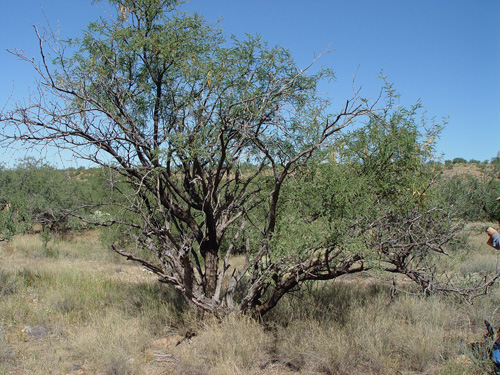
Mesquite
beans and bark
mash
beans into flour and add vanilla or honey to make pinole. Taproots
make outstanding wood for fires. Mesquite seeds made into flour or
used to control blood sugar levels.

Mexican
broom
chewing
the leaves ease tooth ache.

Milkweed
Navajo women drank a tea prepared of the whole plant after childbirth.
Navajo women drank a tea prepared of the whole plant after childbirth.

Mormon
Tea – ephedra
seeds
ground into meal for mush, bread, and cakes along with tea for
coughs, headaches, colds, fever, and kidney ailments. Also for
asthma, weight loss, athletic performance, as well as cold and
allergy medications. But, high amounts may cause heart attack or
stroke. Joe tells how various birds make nests of the cacti whose
thorns keep them free of predators while eating insects that would
hurt the plants.
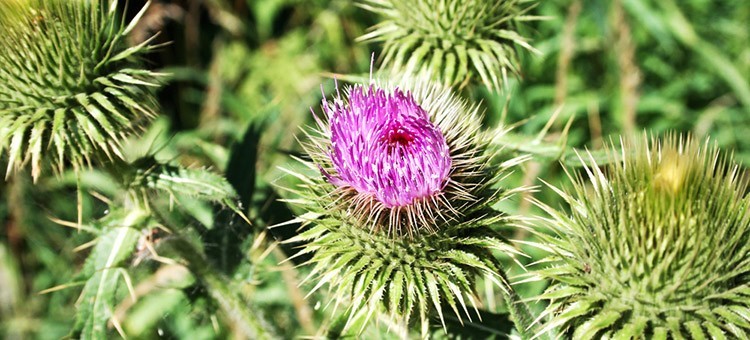
Oral
milk thistle extract stops colorectal cancer stem cells from growing
tumors
Date:
April 20, 2015 Source: University of Colorado Denver
Summary:
A new study shows that orally administering the chemical silibinin,
purified from milk thistle, slows the ability of colorectal cancer
stem cells to grow the disease. When stem cells from tumors grown in
silibinin-fed conditions were re-injected into new models, the cells
failed to develop equally aggressive tumors even in the absence of
silibinin.
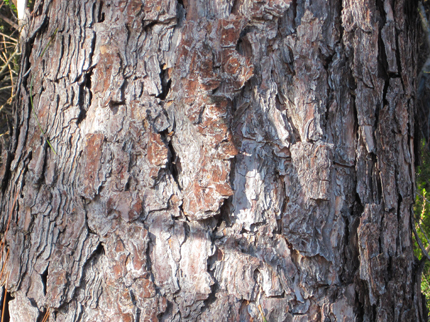
Pine
bark
eases
heart problems and helps blood circulation.

Piñon
nuts
grind
and add to masa for tortillas.

Prickly
pear leaves – nopal
treats
diabetes, lowering cholesterol, prostate reduction, and weight loss
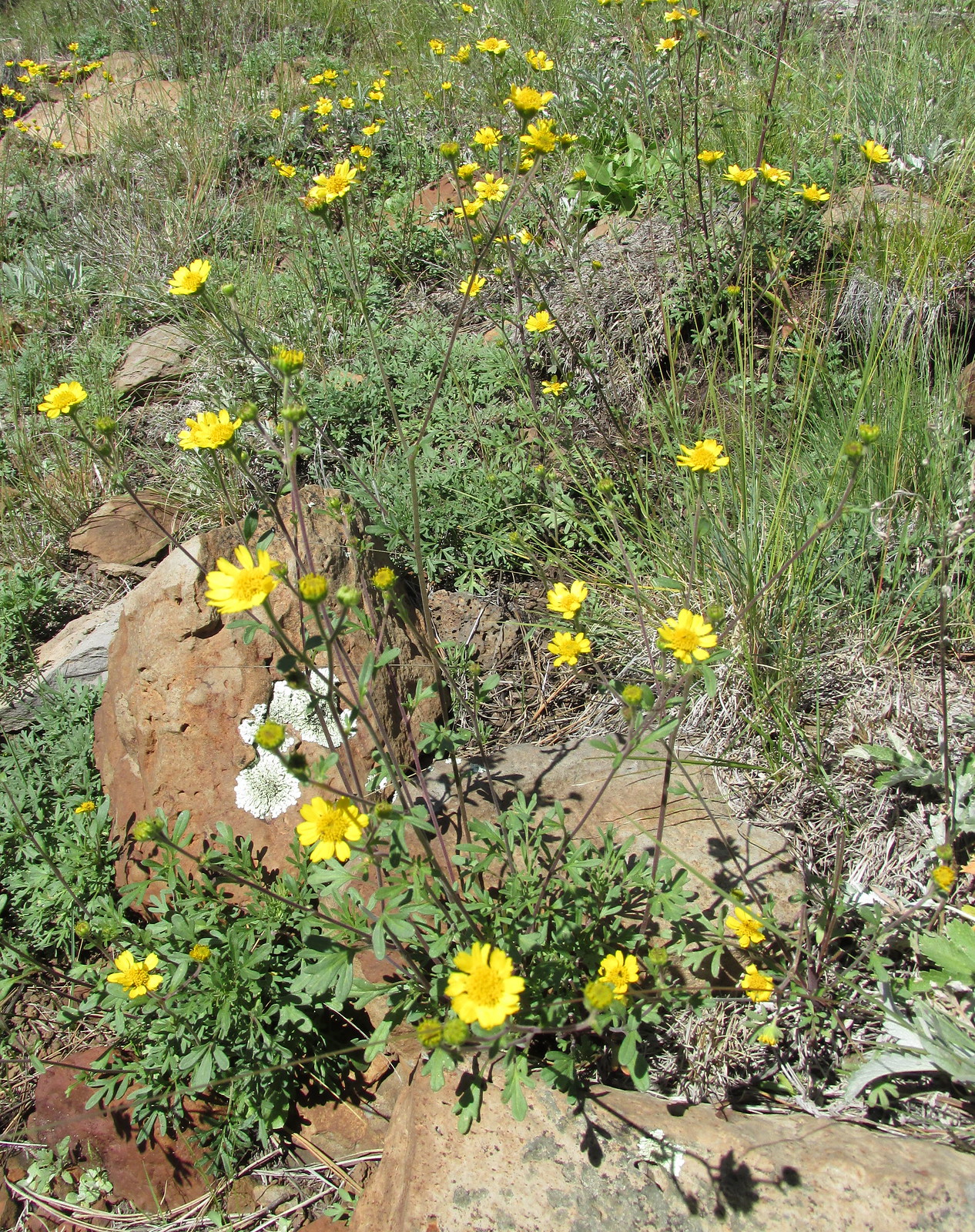
Ragleaf
Bahia
The Navajos, who called the Ragleaf bahia herb twisted medicine, drank a tea of the roots boiled in water for thirty minutes for contraception purposes.
The Navajos, who called the Ragleaf bahia herb twisted medicine, drank a tea of the roots boiled in water for thirty minutes for contraception purposes.

Saltbush
The Navajos chewed the stems and placed the pulpy mash on areas of swelling caused by ant, bee and wasp bites. The Zunis applied the dried, powdered roots and flowers mixed with saliva to ant bites.
The Navajos chewed the stems and placed the pulpy mash on areas of swelling caused by ant, bee and wasp bites. The Zunis applied the dried, powdered roots and flowers mixed with saliva to ant bites.

Soapberry
– jaboncillo
makes
a good soap.

Stoneseed
Shoshoni women of Nevada reportedly drank a cold water infusion of stoneseed roots everyday for six months to ensure permanent sterility.
Shoshoni women of Nevada reportedly drank a cold water infusion of stoneseed roots everyday for six months to ensure permanent sterility.

Tepary
beans
a
good staple and can be made into bhujia, a sweet snack.
_(Solanaceae)_Leaf.JPG)
Tobacco
A favorite remedy for bee stings was the application of wet tobacco leaves.
A favorite remedy for bee stings was the application of wet tobacco leaves.

White
Pine
The inner bark was used by Indian people as a tea for colds and coughs
The inner bark was used by Indian people as a tea for colds and coughs

Willow
The Pomo tribe boiled the inner root bark, then drank strong doses of the resulting tea to induce sweating in cases of chills and fever. In the south, the Natchez prepared their fever remedies from the bark of the red willow, while the Alabama and Creek Indians plunged into willow root baths for the same purpose. Willow branches good for brushing teeth. Steeped to make potion to ease stomach cramps, looseness of the bowels, disentería, and dandruff.
The Pomo tribe boiled the inner root bark, then drank strong doses of the resulting tea to induce sweating in cases of chills and fever. In the south, the Natchez prepared their fever remedies from the bark of the red willow, while the Alabama and Creek Indians plunged into willow root baths for the same purpose. Willow branches good for brushing teeth. Steeped to make potion to ease stomach cramps, looseness of the bowels, disentería, and dandruff.

Yucca
root
makes
excellent soap.
All
one has to do is conduct a search for any of these plants and you
will find more about their uses and how to make the most of them.


